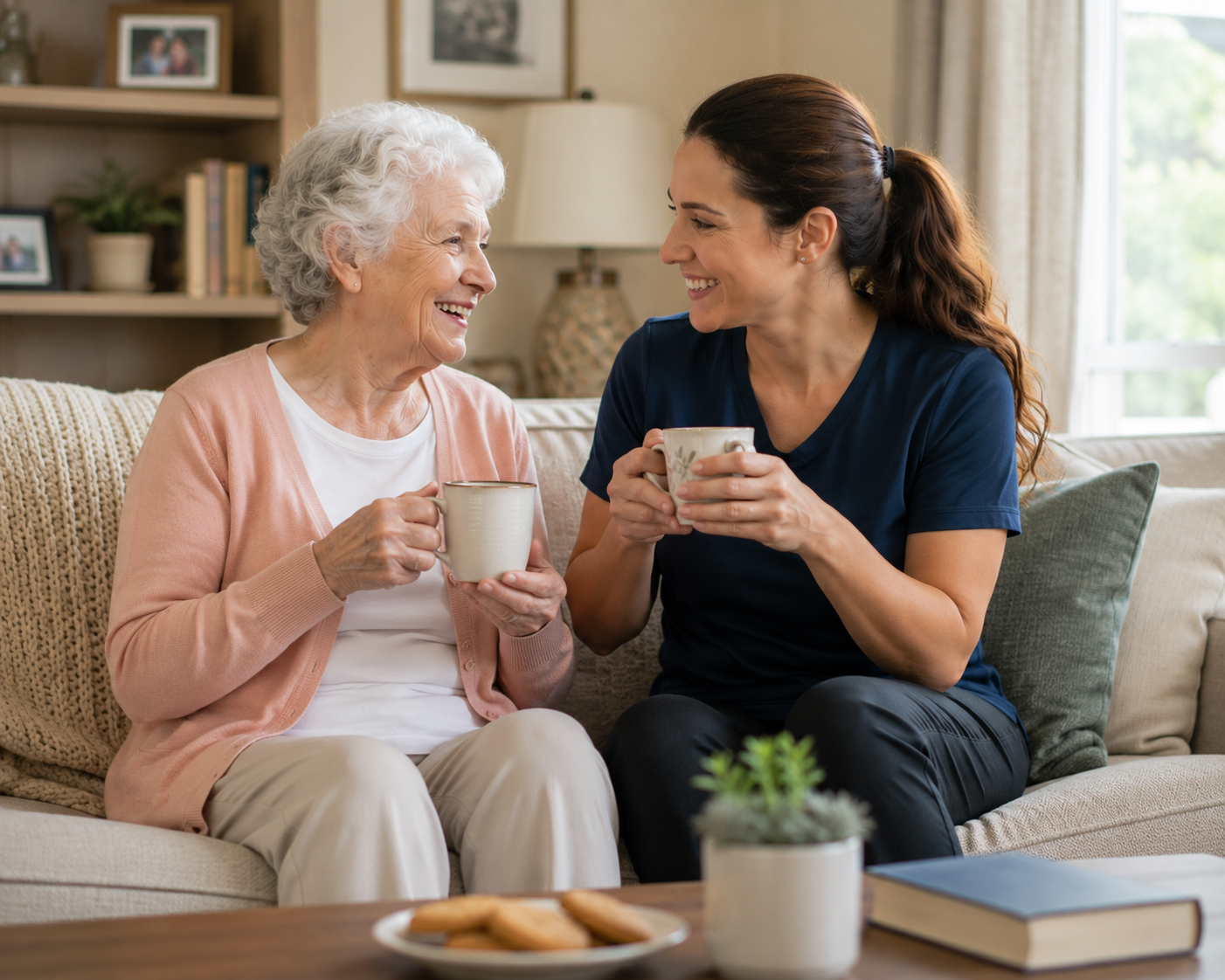

Enhance Your Quality of Life With Personal Care Services
Introduction
Maintaining independence, comfort, and dignity at home is important at every stage of life—especially when daily tasks begin to feel more challenging. For many individuals, receiving the right level of support at home can make a meaningful difference in safety, confidence, and overall well-being.
Personal care services provide hands-on, non-medical assistance with everyday activities that may become difficult due to age, illness, injury, or disability. These services are designed to support individuals while respecting their independence and personal routines.
Through in home personal care, individuals can continue living in familiar surroundings while receiving personalized support that enhances daily living, emotional well-being, and quality of life.
What Are Personal Care Services?
Personal care services are non-medical in-home services that focus on assisting individuals with essential daily activities, often referred to as Activities of Daily Living (ADLs). The goal is to help people live safely and comfortably at home while maintaining as much independence as possible.
These services can benefit:
- Seniors who want to age in place
- Individuals managing chronic conditions
- People recovering from surgery or illness
- Individuals with physical or cognitive disabilities
Personal Care vs. Other Types of Care
Personal care services bridge the gap between companionship and medical care, offering essential daily support without clinical intervention.
- Personal care services: Hands-on assistance with daily living tasks such as bathing, dressing, and mobility
- Companion care: Focuses on social interaction, household tasks, and emotional support
- Skilled nursing care: Involves medical treatment provided by licensed healthcare professionals
Types of Personal Care Services Offered
Personal care services are tailored to each individual’s needs and routines. Common services include:
- Bathing, grooming, and hygiene assistance
- Support with showers, personal hygiene, oral care, and grooming while preserving dignity
- Dressing and mobility support
- Assistance with clothing, transfers, walking, and safe movement throughout the home
- Meal preparation and feeding assistance
- Help with preparing meals and supporting regular eating routines
- Medication reminders
- Non-clinical reminders to help individuals stay on schedule with prescribed routines
- Toileting and incontinence care
- Discreet and respectful assistance to promote comfort and hygiene
- Safety monitoring and fall prevention
- Awareness of hazards, supervision during movement, and support to reduce fall risk
- Light housekeeping related to personal needs
- Laundry, changing bed linens, and maintaining clean personal spaces
- Customized routines and care plans
- Services adapted to preferences, abilities, and changing needs
The Benefits of In Home Personal Care
Receiving care at home offers many advantages that contribute to both physical and emotional well-being.
Comfort and Familiarity
Remaining at home allows individuals to stay in a familiar environment surrounded by personal belongings, routines, and memories—often reducing stress and anxiety.
Promotes Independence While Ensuring Safety
In home personal care supports individuals in doing as much as they can for themselves, while providing help where it’s needed to reduce risks and prevent injury.
Personalized, One-on-One Support
Care is tailored to the individual, allowing for consistent routines, personal preferences, and focused attention.
Reduced Risk of Hospital Readmissions
Support with daily activities, mobility, and routine can help prevent falls, missed meals, and other issues that may lead to unnecessary hospital visits.
Emotional Well-Being and Reduced Stress
Having reliable support can ease frustration, build confidence, and provide reassurance for both individuals and their families.
Family Peace of Mind
Having reliable support can ease frustration, build confidence, and provide reassurance for both individuals and their families.
Improved Daily Functioning and Confidence
With the right support, individuals often feel more capable, engaged, and secure in their daily lives.
Why Investing in Personal Care Services Is Worth It
Choosing personal care services is not just about meeting immediate needs—it’s an investment in long-term quality of life.
Cost-Effective Compared to Facility-Based Care
In many cases, in-home personal care is more affordable than assisted living or nursing facilities, especially when only part-time support is needed.
Prevention of Injury and Costly Emergencies
Assistance with mobility, hygiene, and safety awareness can reduce falls and other preventable incidents.
Care Plans That Adapt Over Time
Personal care services can evolve as needs change, allowing individuals to increase or adjust support without relocating.
Long-Term Value
Consistent personal care can help maintain strength, confidence, and independence, contributing to better overall well-being.
Support for Family Caregivers
Personal care services provide respite for family members, helping reduce burnout and allowing them to focus on quality time rather than caregiving tasks.
How to Choose the Right Personal Care Provider
Selecting the right provider is essential to ensuring quality, reliable care. When evaluating personal care services, consider:
- Caregiver training, credentials, and experience
- Experience with specific needs or conditions
- Customizable care plans and flexibility
- Client testimonials and reviews
- Transparent pricing and assessment processes
- A compassionate, respectful approach to care
How Our Personal Care Services Work
At PHCP, personal care services are designed to be simple, supportive, and flexible.
- Free in-home assessment to understand needs and preferences
- Personalized care plan tailored to daily routines and goals
- Caregiver matching based on experience and compatibility
- Ongoing monitoring and communication with clients and families
- Flexible scheduling options that adjust as needs change
Frequently Asked Questions
What do personal care services include?
Personal care services include hands-on assistance with daily activities such as bathing, dressing, mobility, meal support, hygiene, and safety monitoring.
How does in-home personal care differ from other types of care?
In-home personal care focuses on non-medical daily support, while companion care emphasizes social interaction and skilled care involves medical treatment.
How much do personal care services cost?
Costs vary based on location, level of care, and hours needed. An assessment can help determine an appropriate care plan and budget.
How do I know if my loved one needs personal care?
Signs may include difficulty with hygiene, mobility challenges, frequent falls, missed meals, or increased reliance on family members for daily tasks.
Conclusion
Personal care services and in home personal care play a vital role in enhancing comfort, independence, and dignity for individuals who want to remain at home. By providing personalized, hands-on support with daily living, personal care services help improve confidence, safety, and overall quality of life.
If you or a loved one could benefit from personal care at home, professional guidance can help you find the right level of support.
Contact PHCP today to schedule a consultation or free in-home assessment and take the first step toward personalized, compassionate care.